Restoring Heavy Equipment: How Sandblasting and Re-Welding Can Save a $100k Machine
July 20, 2026 2:32 pm Leave your thoughtsHeavy equipment works hard across Eastern Oregon, and constant exposure to abrasive materials, weather, and heavy loads eventually takes a toll. Whether a machine is used on farms near Hermiston, construction sites around Umatilla County, or industrial facilities along the Columbia River corridor, worn steel components can often be restored instead of replaced.
Quick Answer
Yes, sandblasting and professional re-welding can often restore heavily worn equipment and significantly extend the life of expensive machinery. By removing corrosion and damaged coatings, identifying structural wear, and rebuilding critical steel components with proper welding techniques, many machines can safely return to service without the cost of purchasing new equipment.
What Local Equipment Owners Should Know
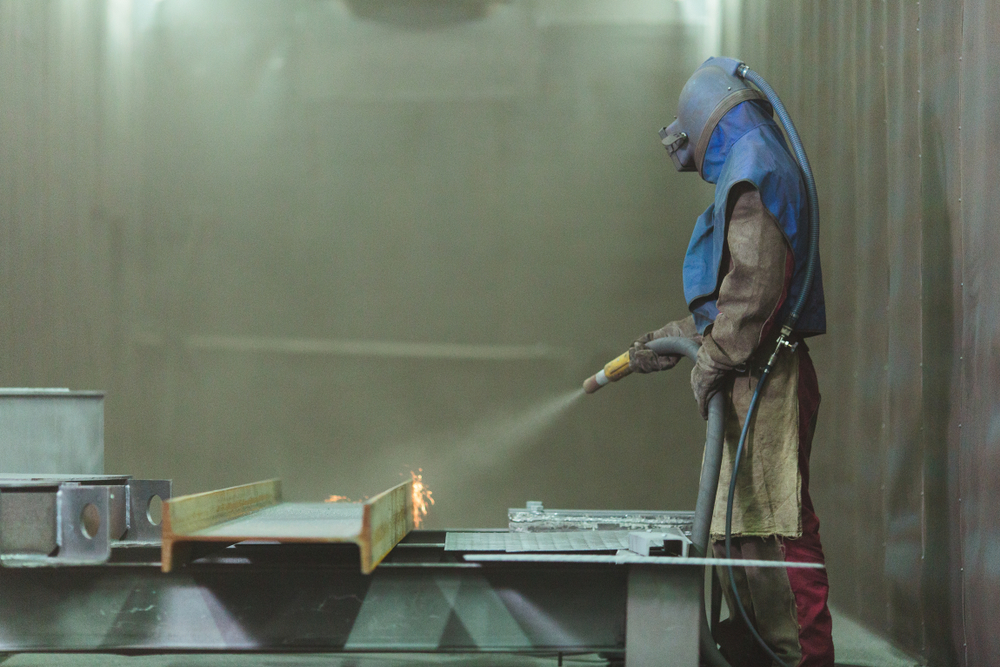
- Sandblasting removes rust, old coatings, and contaminants that hide cracks and worn metal.
- Professional re-welding can rebuild structural components that experience years of heavy use.
- Equipment operating in Hermiston’s agricultural industry often faces accelerated wear from dirt, fertilizer, irrigation water, and abrasive materials.
- Businesses throughout Umatilla County frequently benefit from repairing heavy equipment during slower operating seasons to reduce unexpected downtime.
- A proper inspection should always determine whether restoration is a safe alternative to replacement.
Why This Matters Locally
Restoring heavy equipment matters because Eastern Oregon businesses depend on keeping expensive machines working reliably.
Hermiston serves one of Oregon’s busiest agricultural regions, while nearby communities such as Boardman, Stanfield, Umatilla, Echo, and Pendleton support farming, transportation, manufacturing, and construction. Equipment failures during harvest, infrastructure projects, or industrial production can quickly become costly.
At Nw Metal Fabricators Inc, we understand that replacing a large piece of equipment is not always the most practical solution. In many situations, restoring damaged steel through professional sandblasting and welding provides years of additional service while reducing unnecessary capital expenses.
Local Field Observations
Field experience shows that wear often develops gradually before becoming a major structural problem.
Machines working around Hermiston commonly encounter abrasive dust, gravel, fertilizer residue, irrigation moisture, and continuous vibration. These conditions slowly remove protective coatings while creating stress on welded joints, loader buckets, trailers, frames, and structural attachments.
Once the surface is properly cleaned through abrasive blasting, hidden issues frequently become much easier to identify before they lead to complete failure.
Local Impact
Heavy equipment failures affect productivity, schedules, and operating costs across the region.
Agricultural producers may lose valuable harvesting time. Construction companies can face project delays. Industrial operations near the Port of Umatilla may experience downtime that affects production schedules.
Repairing structural steel before damage becomes severe often reduces downtime while helping businesses maximize the return on major equipment investments.
Warning Signs Your Equipment May Need Restoration
Several visible signs indicate that professional restoration should be considered before major failures occur.
- Rust continues returning after repeated painting.
- Welds show visible cracking or separation.
- Steel components appear worn thinner than surrounding material.
- Bucket edges, blades, or attachment points have excessive wear.
- Paint is peeling because corrosion has developed underneath.
- Equipment shows unusual movement or flexing during operation.
- Structural members have dents, gouges, or impact damage.
- Previous repairs are beginning to fail.
When to Call a Professional
Professional evaluation becomes necessary whenever structural damage or significant wear affects safety or performance.
Operators can safely monitor surface rust, chipped paint, and general wear. However, cracked welds, damaged structural members, excessive corrosion, or load-bearing repairs require experienced fabrication and welding professionals.
Cleaning the surface through sandblasting allows technicians to fully inspect the steel before determining the appropriate repair approach.
Common Local Causes of Heavy Equipment Wear
Most heavy equipment damage develops from repeated exposure to harsh working conditions common throughout Eastern Oregon.
1. Abrasive Dust and Soil
Dry conditions around Hermiston generate dust that accelerates wear on moving components and exposed steel surfaces.
2. Moisture and Irrigation
Agricultural equipment frequently encounters irrigation systems, standing water, and seasonal moisture that encourage corrosion.
3. Heavy Impact Loads
Construction and farming equipment regularly experiences shock loading that stresses welds and structural components.
4. Previous Temporary Repairs
Quick fixes performed during busy seasons may not provide long-term durability, allowing damage to spread over time.
5. Aging Protective Coatings
Paint systems eventually break down, allowing rust to develop beneath the surface where it often remains unnoticed.
Prevention and Maintenance
Regular inspections and timely repairs help maximize equipment lifespan.
Helpful maintenance practices include:
- Wash equipment after exposure to fertilizer or corrosive materials.
- Inspect welds before and after busy operating seasons.
- Repair damaged coatings before corrosion spreads.
- Schedule sandblasting before repainting heavily rusted equipment.
- Address small cracks before they become structural failures.
- Keep equipment stored under cover whenever practical.
While operators can perform visual inspections, structural welding and restoration should always be completed by qualified professionals.
Expected Results
Professional restoration can significantly extend equipment service life when the underlying structure remains repairable.
Every machine is different, but many restoration projects successfully return equipment to reliable service after corrosion removal, structural repairs, and protective finishing. The final outcome depends on the extent of wear, the condition of the steel, and whether damage has progressed beyond repair.
Common Mistakes
Avoiding these common mistakes can prevent more expensive repairs later.
| Mistake | Consequence | Better Approach |
|---|---|---|
| Painting over rust | Corrosion continues beneath the coating | Remove corrosion through proper sandblasting first |
| Ignoring cracked welds | Small cracks grow into structural failures | Schedule professional inspection early |
| Delaying repairs | Damage spreads into surrounding steel | Address wear before peak operating seasons |
| Using temporary patches | Repairs fail under heavy loads | Complete permanent structural welding repairs |
| Replacing equipment too quickly | Higher capital costs | Evaluate whether restoration is a safe option first |
Common Local Scenario
A common situation involves agricultural equipment developing years of wear that appears worse than it actually is.
A piece of machinery may arrive covered in rust, dirt, and multiple layers of old paint. After sandblasting exposes clean steel, technicians often discover that only specific structural areas require rebuilding through welding while the remainder of the machine remains structurally sound. This approach allows owners to restore valuable equipment instead of replacing it prematurely.
Related Service Solutions
Several fabrication services work together to restore heavy equipment effectively.
Depending on the condition of the machine, restoration may include:
- Abrasive sandblasting
- Structural welding
- Steel fabrication
- Crack repairs
- Reinforcement plate installation
- Component rebuilding
- Surface preparation
- Protective coating preparation
Comparing Your Options
Choosing between repair and replacement depends on the machine’s condition, value, and intended use.
| Option | Best For |
|---|---|
| Professional restoration | Structurally sound equipment with localized wear |
| Component replacement | Individual parts that are beyond repair |
| Complete replacement | Equipment with widespread structural failure or obsolete systems |
A professional inspection provides the best information for making a cost-effective decision.
Service Areas
We proudly serve businesses throughout Hermiston, Umatilla, Boardman, Stanfield, Echo, Pendleton, and surrounding communities across Umatilla County and Eastern Oregon. Our fabrication and welding services support agricultural, commercial, industrial, and construction equipment throughout the region.
Cost of Ignoring the Issue
Waiting too long often allows minor wear to become major structural damage.
Corrosion spreads beneath coatings, cracks continue growing under repeated stress, and worn steel becomes increasingly difficult to restore. Addressing problems early typically provides more repair options and helps reduce unexpected downtime during busy operating periods.
Frequently Asked Questions
Can sandblasting really save equipment in Hermiston?
Yes. Sandblasting removes corrosion and old coatings that conceal damage, allowing accurate inspection and high-quality repairs before protective coatings are reapplied.
Is restoring heavy equipment less expensive than replacing it?
Often, yes. When the main structure remains sound, restoring worn components can be considerably more economical than purchasing new equipment. Every project should be evaluated individually.
What kinds of equipment can be restored?
Many agricultural, construction, industrial, and material handling machines can benefit from structural welding and restoration, depending on their overall condition.
Does Eastern Oregon’s climate contribute to equipment wear?
Yes. Dust, seasonal moisture, irrigation, temperature changes, and abrasive working conditions all contribute to corrosion and metal fatigue throughout Umatilla County.
How do I know if cracked welds are serious?
Any visible crack in a structural weld should be professionally evaluated. Even small cracks can grow under repeated heavy loading.
Can equipment be painted immediately after sandblasting?
Generally, surfaces should receive appropriate protective coatings soon after blasting to help prevent new corrosion from developing on freshly cleaned steel.
How often should heavy equipment be inspected?
Equipment should be visually inspected throughout the year, with more detailed inspections before demanding operating seasons or after heavy use.
Why choose a local fabrication shop near Hermiston?
Working with a local fabrication company often means faster turnaround, familiarity with regional industries, and practical solutions for equipment commonly used throughout Eastern Oregon.
Keep Valuable Equipment Working Longer
Heavy equipment represents a major investment, and many machines still have years of productive service remaining when restoration is performed at the right time. Proper sandblasting, structural inspection, and professional welding help businesses throughout Hermiston and the surrounding region protect that investment.
Restore Your Equipment Before Small Problems Become Big Repairs
Our team helps businesses throughout Hermiston and Eastern Oregon evaluate worn equipment and determine whether professional restoration is the right solution.
Categorised in: Sandblasting
This post was written by admin