
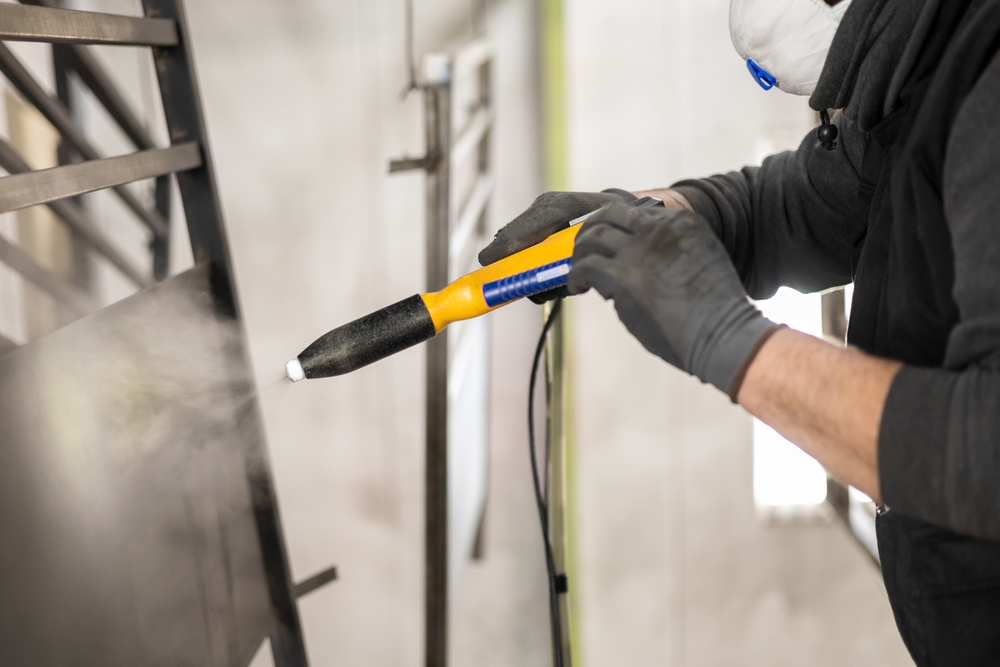
Powder Coating vs. Paint: Which Finish Lasts Longer?
September 10, 2026 7:42 pm Leave your thoughtsPowder Coating vs. Paint: Which Finish Lasts Longer?
Metal exposed to Eastern Oregon conditions has to deal with more than everyday wear. Sun, windblown dust, temperature swings, moisture, and regular use can all affect how long a finish protects fabricated metal. For property owners and businesses in Hermiston, choosing between powder coating and conventional paint can make a noticeable difference in maintenance needs and long-term appearance.
Quick answer: Powder coating generally lasts longer than conventional liquid paint on properly prepared metal, especially when durability, abrasion resistance, and consistent coverage are priorities. Paint remains useful when color flexibility, touch-ups, or certain project requirements matter more. The better choice ultimately depends on the metal, where it will be used, the environment it faces, and how the finished component needs to perform.
What local readers should know
-
Powder coating creates a durable finish that is commonly selected for metal components exposed to frequent handling, abrasion, and outdoor conditions.
-
Paint can provide effective protection, but scratches, chips, and worn areas may require more frequent attention over time.
-
Hermiston’s dry summers, strong sunlight, wind, and airborne dust make surface preparation and finish selection especially important.
-
Metal used around Umatilla County may face very different conditions depending on whether it is installed indoors, outdoors, around agricultural operations, or in an industrial setting.
-
Neither finish can compensate for poor metal preparation, so cleaning and preparing the surface correctly is a major part of long-term performance.
Why Does the Right Metal Finish Matter in Hermiston?
The right metal finish matters in Hermiston because it helps protect fabricated components from local environmental exposure while reducing premature wear and unnecessary refinishing. Eastern Oregon’s combination of dry conditions, summer heat, seasonal moisture, dust, and temperature changes can put exterior and working metal surfaces under ongoing stress.
Hermiston sits in an active agricultural, transportation, commercial, and industrial region near the Columbia River and Interstate 84. Metal components used around shops, farms, facilities, equipment, buildings, and outdoor installations can encounter sunlight, dirt, impacts, abrasion, and moisture.
NW Metal Fabricators Inc serves customers in this region, and we understand that choosing a finish is not simply about selecting a color. The intended use of the metal should guide the finishing decision.
How Do Powder Coating and Paint Differ?
Powder coating and paint differ primarily in how the coating is applied and cured, which affects durability, appearance, and suitable applications. Powder coating uses a dry finishing material that is applied to prepared metal and cured, while conventional paint is applied as a liquid and dries or cures into a protective film.
Powder coating can produce a uniform, durable surface and is particularly useful when fabricated metal needs to withstand regular contact or environmental exposure. Its application process also helps coat complex metal parts when the component is properly designed and prepared for the process.
Liquid paint has advantages of its own. It can be appropriate for projects that cannot undergo the powder-coating curing process, require particular coating systems, or need easier field touch-ups.
For Hermiston-area projects, the decision should begin with how and where the finished metal will actually be used.
Which Finish Usually Lasts Longer?
Powder coating usually provides greater long-term resistance to chipping, scratching, and everyday wear than standard liquid paint when both finishes are properly applied. That durability can make powder coating an attractive choice for metal parts, frames, railings, equipment components, and fabricated assemblies that receive regular use.
That does not mean every powder-coated surface will outlast every painted one. Metal preparation, coating type, application quality, exposure, component design, and maintenance all affect service life.
For example, an indoor painted component in a controlled environment may remain in excellent condition for a long time. An outdoor component exposed to Eastern Oregon sunlight, dust, moisture, and repeated impacts has a more demanding job.
The question should therefore be more specific than “Which finish lasts longer?” A better question is, “Which finish is best suited to this particular metal component and its operating environment?”
What Local Conditions Affect Finish Life?
Hermiston-area metal finishes are affected by ultraviolet exposure, dust, wind, moisture, temperature changes, and the way the finished component is used. Outdoor metal around Umatilla County can experience several of these stresses at the same time, making appropriate preparation and coating selection particularly valuable.
Our region has hot, dry summer periods, while seasonal temperature changes expose exterior metal to changing conditions throughout the year. Agricultural and industrial environments can add dust, debris, equipment contact, and frequent handling.
Locations near Boardman, Umatilla, Stanfield, and Echo can have similar regional considerations. Metal installed around irrigation infrastructure, agricultural properties, commercial facilities, workshops, and equipment areas may also experience conditions that are very different from those affecting decorative indoor components.
These differences are why finish selection should be based on actual exposure rather than appearance alone.
What Are the Warning Signs That a Metal Finish Is Failing?
A failing metal finish commonly shows visible damage such as peeling, bubbling, cracking, fading, exposed metal, or corrosion developing where the protective coating has been compromised. Catching these signs early can help Hermiston property owners determine whether maintenance or refinishing should be considered.
Watch for:
-
Chips or scratches that expose bare metal.
-
Paint that is peeling or separating from the surface.
-
Bubbling or blistering beneath the finish.
-
Rust appearing around edges, joints, fasteners, or damaged areas.
-
Noticeable fading on surfaces exposed to strong sunlight.
-
Repeated wear in high-contact areas.
-
Corrosion developing where moisture or debris collects.
A small cosmetic mark is different from widespread coating failure. Regular visual checks can help distinguish ordinary wear from a developing protection problem.
When Should You Talk With a Metal Fabrication Professional?
A professional should be involved when finish selection affects the fabrication process, the component has significant outdoor or industrial exposure, or existing corrosion and coating failure need to be evaluated. This is especially useful when a project must balance durability, appearance, fabrication requirements, and ongoing maintenance.
Owners can safely monitor accessible metal for scratches, peeling, fading, and corrosion. Cleaning surfaces appropriately and keeping debris from accumulating can also help.
Professional input becomes more useful when selecting materials and finishes for a new fabrication project or determining whether an existing component is suitable for refinishing. The coating decision should ideally be considered as part of the overall project rather than as an afterthought.
What Common Factors Cause Metal Finishes to Wear Out?
The most common causes of premature finish wear include poor surface preparation, physical damage, environmental exposure, moisture, and choosing a coating that does not match the application. Around Hermiston, dust, sunlight, outdoor exposure, and demanding agricultural or industrial use can increase these stresses.
Surface preparation is particularly important. Oil, contamination, corrosion, scale, or other material left on a surface can interfere with coating performance.
Physical impacts are another factor. Gates, frames, equipment parts, brackets, and working components can experience repeated contact that gradually damages a finish.
Finally, component design matters. Areas where moisture and debris collect may experience different conditions than open, easily cleaned surfaces.
How Can You Help a Metal Finish Last Longer?
You can extend the useful life of a metal finish by choosing the right coating initially, keeping surfaces clean, inspecting for damage, and addressing exposed metal before deterioration spreads. In Eastern Oregon, seasonal inspections are especially useful for exterior components exposed to dust, weather, and regular use.
Check outdoor metal after periods of heavy use or severe weather. Remove accumulated dirt and debris using methods appropriate for the coating. Pay attention to edges, joints, corners, mounting points, and areas that receive frequent contact.
Avoid assuming that a thicker-looking finish automatically means better protection. Proper preparation and the correct coating system are more important than appearance alone.
DIY maintenance should stop when significant rust, widespread coating separation, structural damage, or fabrication repairs are involved.
What Results Can You Expect From the Right Finish?
The right finish can provide a more durable surface, better appearance retention, and reduced need for repeated touch-ups when it matches the metal’s actual use. For many fabricated components in the Hermiston area, powder coating can be a strong option when resistance to routine wear is a priority.
Paint can still be the practical choice for applications requiring easier touch-ups, specialized liquid coating systems, or finishing situations where powder coating is not appropriate.
Neither option is maintenance-free or permanent. Realistic expectations depend on exposure, use, preparation, coating selection, and care.
What Mistakes Should You Avoid When Choosing a Finish?
The biggest finishing mistakes are choosing solely by price or color, overlooking surface preparation, and failing to consider where the metal will be installed. Local conditions around Hermiston make the intended environment an important part of the decision.
Mistake: Choosing the cheapest finishing method without considering exposure.
Consequence: The finish may require earlier repair or refinishing.
Better approach: Compare initial cost with expected use and maintenance needs.
Mistake: Treating surface preparation as optional.
Consequence: Coating adhesion and performance can suffer.
Better approach: Make preparation part of the finishing plan from the beginning.
Mistake: Selecting an indoor-style solution for demanding outdoor use.
Consequence: Sun, moisture, abrasion, and debris may accelerate deterioration.
Better approach: Choose the coating around the actual operating environment.
What Is a Common Local Metal-Finishing Scenario?
A common Hermiston-area scenario is an owner deciding how to finish a fabricated metal component that will spend years outdoors around a shop, farm, commercial property, or industrial facility. The component may need to withstand sunlight, windblown dirt, seasonal moisture, and routine contact.
In that situation, powder coating may be considered because durability and resistance to everyday wear are priorities. Paint may make more sense when field repairs, specialized coating requirements, or other project constraints take precedence.
This is a general local scenario, not a specific customer case study. The appropriate solution should be determined from the actual component and its intended use.
What Metal Finishing Solution Is Right for Your Project?
The right solution is the finish that matches your metal, fabrication design, exposure, appearance requirements, and maintenance expectations. Thinking about finishing during the fabrication process can help avoid selecting a coating that looks appropriate initially but is poorly suited to the component’s working conditions.
For projects where powder coating is suitable, it can provide a durable and consistent finished surface. Other applications may call for paint or another finishing approach.
How Do Powder Coating and Paint Compare?
Powder coating generally has the advantage for durability and abrasion resistance, while paint can offer advantages for field application, touch-ups, and certain specialized uses. Neither choice should be made without considering the location and purpose of the fabricated component.
| Consideration | Powder Coating | Paint |
|---|---|---|
| Everyday wear resistance | Typically strong | Varies by coating system |
| Scratch and chip resistance | Generally higher | Can be more vulnerable |
| Field touch-ups | Can be less straightforward | Often easier |
| Finish consistency | Typically very uniform | Depends on application |
| Complex project requirements | Depends on component and curing requirements | Often flexible |
| Best choice | Durable fabricated-metal applications | Projects suited to liquid coating systems |
For outdoor installations in Umatilla County, exposure should receive as much consideration as color and appearance.
What Areas Can Consider These Finishing Options?
Metal owners throughout Hermiston and surrounding Eastern Oregon communities can benefit from choosing finishes according to local exposure and intended use. Similar considerations apply in nearby Umatilla, Stanfield, Echo, and Boardman, particularly for agricultural, commercial, industrial, and exterior metal applications.
What Can Happen If Finish Damage Is Ignored?
Ignoring damaged coating can leave metal increasingly exposed to moisture, contaminants, and corrosion, potentially turning a finishing problem into a larger maintenance or repair issue. Around Hermiston, outdoor exposure and working environments can make damaged areas worth addressing before deterioration becomes more extensive.
The goal is not to refinish every cosmetic scratch immediately. It is to recognize when the protective barrier has been compromised and determine whether maintenance, refinishing, or repair is appropriate.
FAQ
Does powder coating last longer than paint in Hermiston?
Powder coating generally offers greater resistance to scratching, chipping, and routine wear than conventional paint when the metal is properly prepared and the coating is appropriate for the application. Actual longevity in Hermiston depends on sunlight, moisture, abrasion, maintenance, and whether the component is indoors or outdoors.
Is powder coating good for Eastern Oregon outdoor metal?
Powder coating can be a good option for many outdoor metal applications in Eastern Oregon because durability and wear resistance are often priorities. The specific powder and preparation process still need to match the component’s environment, especially where metal receives significant sunlight, weather exposure, impacts, or frequent handling.
Can painted metal still be durable?
Yes, properly selected and applied paint can provide durable protection for many metal applications. Paint performance depends heavily on preparation, coating type, environment, and use. For some Hermiston projects, easier touch-ups or specific application requirements can make a liquid coating system a practical choice.
Does Hermiston’s climate affect metal finishes?
Yes, local conditions can affect how metal finishes age over time. Strong sunlight, dry summer conditions, windblown dust, seasonal moisture, and temperature changes can all contribute to finish wear. Exterior metal around Umatilla County should therefore be finished with its actual exposure conditions in mind.
Can powder coating be touched up if scratched?
Powder-coated surfaces can be repaired or touched up, but matching the original factory-like finish may be more involved than touching up conventional paint. If damage exposes bare metal, the important step is preventing the exposed area from becoming a starting point for additional deterioration.
Is powder coating always better than paint?
No, powder coating is not automatically better for every project. Component size, material, intended environment, appearance, curing requirements, maintenance plans, and future touch-up needs all influence the choice. A finish that performs well on one Hermiston fabrication project may not be the best solution for another.
What should Umatilla County businesses consider before choosing a finish?
Businesses should consider where the component will be installed, how frequently it will be handled or impacted, and what environmental conditions it will face. Agricultural, commercial, and industrial components around Umatilla County may experience substantially different levels of dust, abrasion, moisture, sunlight, and routine wear.
Should finishing be planned before metal fabrication is complete?
Yes, considering the finish during project planning can help ensure the fabricated component is compatible with the intended coating process. Discussing environment, appearance, durability, and maintenance expectations early can also make it easier to choose an appropriate solution instead of treating finishing as a last-minute decision.
Choose a Finish Built for Your Hermiston Metal Project
A durable metal finish starts with understanding how the finished component will actually be used. We can help you consider fabrication and finishing needs with the local environment, application, and long-term performance in mind.
Categorised in: Powder Coating
This post was written by admin