
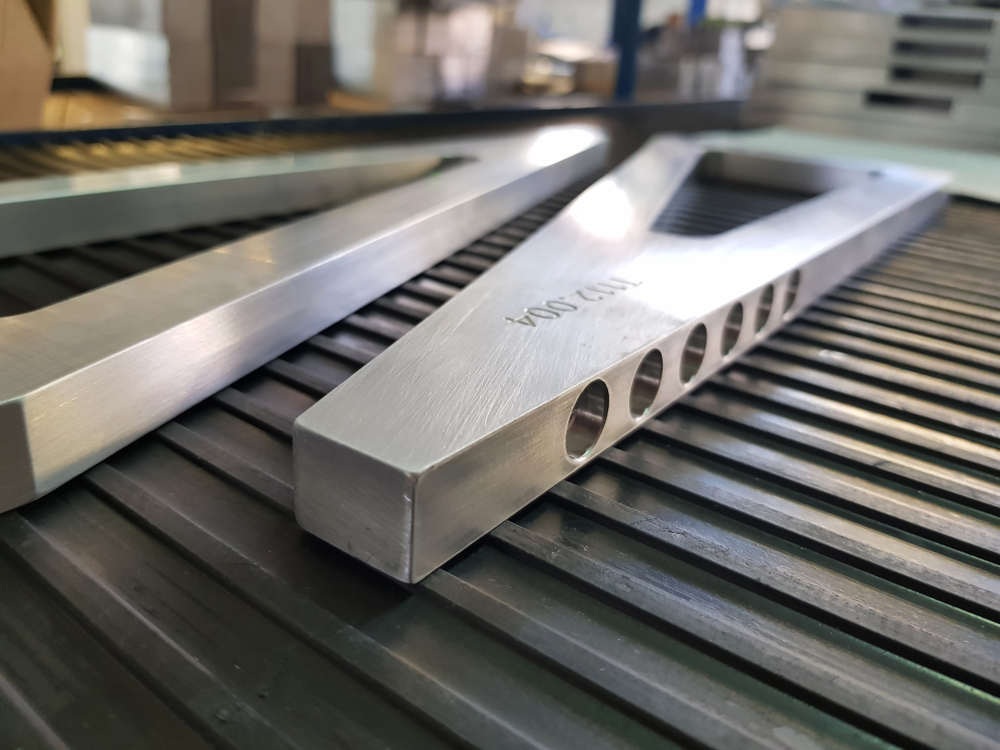
CNC Machining vs. Metal Fabrication: What’s the Difference?
August 9, 2026 5:52 pm Leave your thoughtsManufacturers, agricultural operations, and industrial businesses around Hermiston often need custom metal components, but many people are unsure whether they need CNC machining, metal fabrication, or both. Understanding the difference helps you choose the right process, avoid unnecessary costs, and ensure your finished part performs exactly as intended.
Quick Answer
CNC machining and metal fabrication are different manufacturing processes that often work together. CNC machining removes material from a solid piece of metal to create precise parts with tight tolerances. Metal fabrication shapes, cuts, bends, and welds metal into finished structures, equipment, and assemblies. The right choice depends on your project’s design, precision requirements, material, and intended use.
What Local Readers Should Know
-
CNC machining is best for highly precise components with tight dimensional tolerances.
-
Metal fabrication is ideal for structural products, custom equipment, frames, tanks, platforms, and welded assemblies.
-
Many manufacturing and agricultural projects in Hermiston require both fabrication and CNC machining to produce a complete finished product.
-
Businesses throughout Umatilla County often benefit from working with a shop that understands the needs of local industries such as agriculture, food processing, transportation, and manufacturing.
Why This Matters Locally
Businesses across Hermiston, Umatilla County, Stanfield, Echo, Boardman, Pendleton, and the Columbia Basin depend on durable metal components to keep operations running efficiently. Agricultural equipment, irrigation systems, processing facilities, transportation fleets, and industrial machinery all experience regular wear. Selecting the appropriate manufacturing process helps reduce downtime while ensuring replacement parts and custom components fit correctly the first time.
At Nw Metal Fabricators Inc, we help local businesses determine the best manufacturing approach for their specific applications, whether that means precision machining, custom fabrication, or a combination of both.
CNC Machining Creates Precision Parts
CNC machining produces highly accurate components by removing material from a solid block of metal using computer-controlled equipment. The finished part matches programmed dimensions with exceptional consistency.
CNC machining is commonly used for:
-
Precision machine components
-
Equipment replacement parts
-
Bushings and spacers
-
Mounting plates
-
Custom brackets requiring tight tolerances
-
Prototype parts
-
Production runs of identical components
This process excels when accuracy is critical or parts must fit together with little room for error.
Metal Fabrication Builds Complete Structures
Metal fabrication creates larger products by cutting, bending, forming, and welding metal into finished assemblies. Instead of carving material away, fabrication transforms raw steel, aluminum, or other metals into useful products.
Common fabrication projects include:
-
Equipment frames
-
Platforms
-
Safety guards
-
Structural supports
-
Custom trailers
-
Industrial stairs
-
Agricultural equipment
-
Storage racks
-
Handrails
-
Custom enclosures
Fabrication allows manufacturers to create strong, durable structures designed for demanding industrial environments.
Local Field Observation
Our field experience shows that businesses throughout the Hermiston area frequently require both fabrication and machining during the same project. A fabricated frame may require precision-machined mounting surfaces, while machined components often become part of larger welded assemblies. Combining these capabilities helps ensure every component fits together properly during installation.
How Each Process Impacts Local Businesses
Choosing the correct manufacturing process affects more than the finished product.
The right process can influence:
-
Equipment uptime
-
Production efficiency
-
Repair costs
-
Replacement part availability
-
Installation time
-
Long-term durability
For operations serving the agricultural economy throughout the Columbia Basin, minimizing downtime during planting or harvest seasons can be especially important.
Signs Your Project Needs CNC Machining
You may need CNC machining if your project requires:
-
Extremely precise dimensions
-
Tight tolerances
-
Smooth finished surfaces
-
Complex holes or pockets
-
Identical production parts
-
Precision mating components
-
Accurate replacement machine parts
If accuracy is the highest priority, CNC machining is often the preferred solution.
When Metal Fabrication Is the Better Choice
Metal fabrication is usually the right choice when your project involves:
-
Large steel structures
-
Welded assemblies
-
Bent sheet metal
-
Heavy equipment repairs
-
Custom industrial equipment
-
Structural supports
-
One-of-a-kind fabrication projects
Fabrication provides flexibility for creating durable custom products designed around specific operational needs.
Common Local Applications
Several industries throughout northeastern Oregon rely on both manufacturing methods.
Agriculture
Custom irrigation equipment, machinery repairs, grain handling equipment, and equipment modifications often require fabricated structures combined with machined components.
Food Processing
Processing facilities frequently need precision replacement parts alongside fabricated equipment supports and sanitary metal assemblies.
Transportation
Fleet maintenance operations may require fabricated repair components, brackets, mounts, and precision-machined replacement parts.
Industrial Manufacturing
Production facilities often depend on fabricated equipment, custom machine guarding, precision fixtures, and replacement components.
Prevention and Planning
The best manufacturing results begin with careful planning.
Before starting a project:
-
Identify dimensional requirements.
-
Determine whether structural strength or precision is the higher priority.
-
Select materials appropriate for the operating environment.
-
Consider future maintenance and replacement needs.
-
Plan for any welding, machining, coating, or finishing requirements.
Early planning often reduces production time and helps avoid costly design changes later.
What to Expect from Professional Manufacturing
Professional metal manufacturing should provide clear communication throughout the project.
Customers can generally expect:
-
Review of drawings or concepts
-
Material recommendations
-
Manufacturing process selection
-
Precision production
-
Quality inspections
-
Finished components ready for installation or assembly
The exact workflow depends on project complexity, quantities, and application requirements.
Common Mistakes
Choosing fabrication when machining is required
Consequence: Parts may not meet required tolerances.
Better approach: Evaluate dimensional requirements before selecting a manufacturing process.
Designing for unnecessary precision
Consequence: Higher production costs without improving performance.
Better approach: Apply precision only where it provides practical value.
Overlooking assembly requirements
Consequence: Components may require additional modifications during installation.
Better approach: Consider how every part will fit into the complete assembly during the design stage.
Common Local Scenario
A local agricultural operation needs to repair equipment before harvest. The equipment requires a new welded frame along with several precision replacement mounting components. Fabrication produces the structural assembly, while CNC machining creates the exact parts needed for proper alignment. Using both processes helps restore equipment functionality efficiently.
Related Service Solutions
Many projects benefit from combining multiple manufacturing services.
Depending on project requirements, solutions may include:
-
Custom metal fabrication
-
CNC machining
-
Welding
-
Structural steel fabrication
-
Equipment modifications
-
Replacement component manufacturing
-
Prototype development
-
Industrial repair work
Comparing Your Options
| Option | Best For |
|---|---|
| CNC Machining | Precision parts, tight tolerances, repeatable production |
| Metal Fabrication | Structural products, welded assemblies, large custom components |
| Combined Services | Complete equipment, custom machinery, complex industrial projects |
Service Areas
We proudly serve businesses in Hermiston and throughout Umatilla County, including Pendleton, Stanfield, Echo, Boardman, and surrounding communities across northeastern Oregon. We understand the manufacturing needs of local agricultural, industrial, and commercial operations.
Cost of Ignoring the Issue
Choosing the wrong manufacturing process can increase production costs, delay projects, create fitment problems, and reduce equipment reliability. Careful planning helps ensure components perform as intended while minimizing unnecessary rework.
Frequently Asked Questions
What is the biggest difference between CNC machining and metal fabrication?
The biggest difference is that CNC machining removes material to create precise parts, while metal fabrication forms and assembles metal into larger finished products. Many projects require both processes.
Which process is better for agricultural equipment in Hermiston?
The best choice depends on the repair or project. Agricultural equipment around Hermiston often benefits from fabricated structural components along with precision-machined replacement parts.
Is CNC machining more accurate than fabrication?
Yes. CNC machining is specifically designed to achieve tight tolerances and consistent dimensions, making it the preferred choice for precision components.
Can one project use both CNC machining and fabrication?
Yes. Many industrial projects throughout Umatilla County combine fabricated frames or structures with machined components to create complete assemblies.
Which materials can be machined or fabricated?
Both processes commonly work with steel, stainless steel, aluminum, and other industrial metals. Material selection depends on the application’s strength, corrosion resistance, and performance requirements.
How do I know which manufacturing process my project needs?
The best way is to review your design, intended use, dimensional requirements, and operating environment with an experienced metal manufacturing professional.
Closing
Whether your project requires precision-machined components, custom fabricated structures, or a combination of both, understanding the differences helps you make informed decisions. Choosing the right manufacturing process can improve performance, reduce downtime, and support long-term reliability for businesses throughout the Hermiston area.
Get the Right Manufacturing Solution for Your Project
Our team is ready to help you determine the best approach for your custom metal manufacturing needs.
Categorised in: CNC Machines, Metal Fabrication
This post was written by admin