The 6-Inch Challenge: Yes, We Can Cut It. A Look at Waterjet’s Ability to Slice Through Massive Steel Plates for Heavy Equipment
January 11, 2026 3:46 pm Leave your thoughtsWhen it comes to cutting steel for heavy-duty applications, there is a common assumption that anything thicker than a couple of inches becomes a serious challenge. That assumption gets shattered by one of the most versatile technologies in the fabrication world: waterjet cutting. While many cutting methods struggle or fail when tasked with thick steel plate cutting, waterjet systems stand tall, capable of slicing through metal like butter, even at 6 inches thick or more. This ability has revolutionized how manufacturers and fabricators approach projects involving heavy equipment and dense materials.
Waterjet cutting is no longer just a niche method reserved for delicate or intricate work. It has carved out a dominant role in industries that rely on strength, precision, and durability. Let us explore why this technology is so effective, especially in the demanding field of heavy equipment fabrication, where nothing short of excellence will do.
What Makes Waterjet Cutting So Powerful?
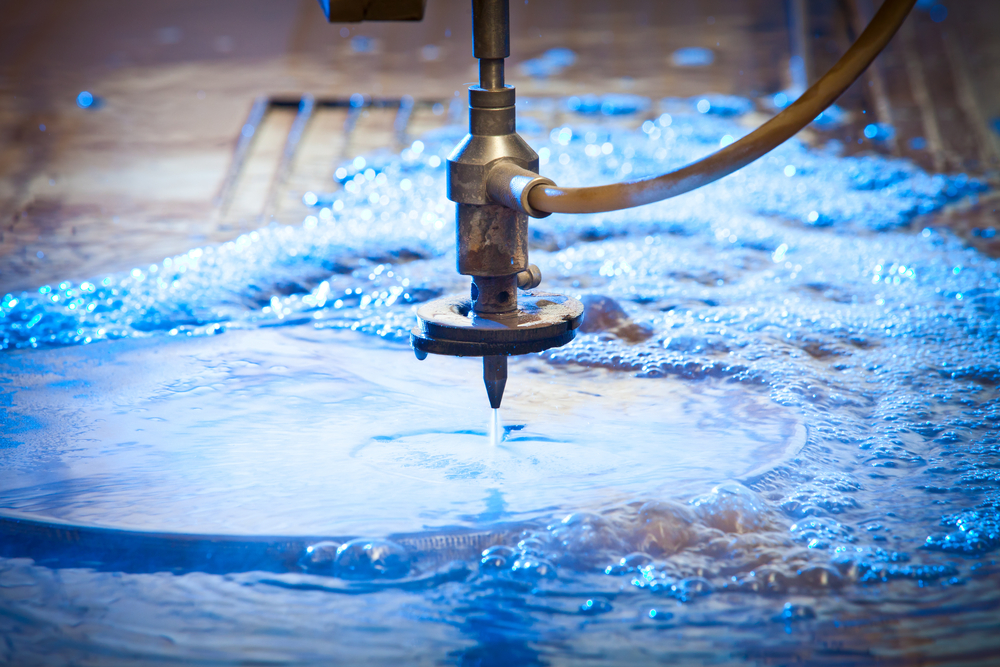
At its core, waterjet cutting uses a high-pressure stream of water mixed with abrasive particles, usually garnet, to erode material at incredible speeds. While pure waterjets can cut through softer materials like rubber and plastic, abrasive waterjets are the heavy lifters of the operation. They are capable of slicing through thick metals with remarkable precision and minimal heat.
This cutting process offers several advantages over traditional methods like oxy-fuel, plasma, or laser cutting. The most significant is the cold-cutting nature of waterjets. Since there is no heat-affected zone, the material retains its original structural properties. This is particularly important in applications where the steel must endure stress, impact, or corrosion over time, such as in the construction and maintenance of bulldozers, cranes, excavators, and other massive machines.
Another standout feature of waterjet systems is their flexibility. Whether the plate is one inch thick or six, waterjets can adapt with the right setup. The speed might decrease as thickness increases, but the quality of the cut remains consistently high. This adaptability means fewer tool changes, fewer limitations, and less reliance on multiple machines for a single job.
Taking on 6 Inches of Solid Steel
Cutting a six-inch-thick steel plate might seem like an outrageous feat, but it is well within the capabilities of modern waterjet machines. To achieve this, operators adjust several key parameters, such as water pressure, abrasive flow rate, nozzle design, and cutting speed. By optimizing these factors, a waterjet can slowly but steadily cut through steel slabs that would stop other tools in their tracks.
One reason this is so effective for thick steel plate cutting is the uniform pressure distribution along the cut. The waterjet gradually erodes the material, producing a clean and accurate edge that often requires little to no post-processing. In contrast, other cutting methods tend to distort or warp the metal due to extreme temperatures or mechanical force, leading to higher waste and more finishing work.
Moreover, the precision of waterjet cutting enables engineers to meet strict tolerances, even in thick material. This is crucial in heavy equipment fabrication, where improper fitting parts can lead to mechanical failure or operational inefficiencies. When components need to interlock or align perfectly, a waterjet delivers the kind of repeatable accuracy that builds confidence in the final product.
Applications in Heavy Equipment Fabrication
In the world of heavy equipment, strength is everything. From earthmovers and industrial loaders to mining rigs and agricultural machinery, the structures and components must handle enormous loads, impacts, and exposure to the elements. That strength begins with the raw materials used during fabrication, most notably thick steel plates.
Waterjet cutting has found a natural home in this sector due to its capacity to handle dense materials with surgical precision. Frames, brackets, wear plates, and structural reinforcements all benefit from being cut via waterjet. Not only is the process precise, but it is also relatively quiet and clean, which improves shop safety and working conditions.
The flexibility of waterjet cutting also enables engineers to prototype new designs without the need for costly die-making or long lead times. Whether cutting a single plate or preparing hundreds for production, waterjet systems keep the process lean and efficient. As a result, fabricators can quickly iterate and refine equipment designs, a critical advantage in industries where downtime is expensive and innovation is constant.
In addition to steel, waterjets can process a wide variety of materials that may be used in conjunction with metal, including composites, rubber gaskets, and specialty plastics. This multi-material capability further increases the utility of waterjets in complex assembly and manufacturing workflows.
Advantages Beyond the Cut
Beyond the raw power of cutting through six-inch-thick steel, waterjet technology brings a suite of operational and economic advantages to heavy equipment fabrication shops. First among them is material efficiency. Because the cutting stream is so narrow (often less than a millimeter in width), there is minimal kerf loss. This translates into better material yield and lower waste costs, especially when working with expensive specialty steels.
Second, the automation capabilities of modern waterjet machines allow for advanced nesting, batch processing, and unattended operation. Complex geometries can be programmed with software and executed with precision, reducing human error and increasing output. The ease of switching between different cutting jobs also shortens setup times, allowing shops to respond quickly to shifting production demands.
Maintenance is another area where waterjet systems shine. Unlike plasma or laser cutters, which may require frequent torch replacement or optics cleaning, waterjets typically need less frequent servicing. With proper filtration and maintenance, a well-tuned waterjet can run for years with consistent performance, making it a sound investment for companies focused on thick steel plate cutting.
Lastly, the environmental benefits are worth mentioning. Waterjet cutting produces no hazardous fumes, requires no chemical processing, and recycles its water. This makes it one of the more sustainable cutting methods available, especially for operations with strict environmental compliance requirements.
The Future of Waterjet Cutting in Fabrication
As the demand for stronger, more complex, and more efficient machinery grows, so too does the need for versatile fabrication methods. Waterjet technology continues to evolve with faster pumps, more intelligent software, and better abrasive control, pushing the boundaries of what is possible.
In the future, we can expect waterjet systems to become even more integrated into smart factories. With real-time monitoring, remote diagnostics, and AI-assisted process optimization, the machines will get smarter and more productive. For companies involved in heavy equipment fabrication, staying ahead of this curve could be the difference between leading the industry and lagging behind.
What is clear today is that waterjets have already proven their value in cutting even the thickest steel plates. As machine builders look to push the limits of design and performance, they can count on waterjet cutting as a reliable and high-quality fabrication method.
Conclusion
The ability to cleanly and efficiently cut through six inches of steel is no small achievement. It is a milestone that redefines expectations in thick steel plate cutting and provides a competitive edge to industries that rely on durability, precision, and speed. Waterjet technology has moved well beyond simple profiling and found a home in the heart of heavy equipment fabrication, where its strengths align perfectly with the sector’s demands.
From cutting edge quality to material preservation, from flexibility to environmental responsibility, waterjets offer a comprehensive solution for the modern fabrication shop. As equipment grows larger and workloads more demanding, the power to cut it all, no matter how thick, remains a valuable tool for those who build the machines that move the world.
Need Steel Fabricators in Hermiston, OR?
NW Metal Fabricators, Inc. is a family-owned business that has been servicing customers in Hermiston, Oregon since 1986. We have more than 100 years of experience in the food-processing industry and specialize in the custom production of storage bins, conveyors, catwalks, handrails, gates, storage tanks, water heater tanks, sanitary piping, steam piping, and trailer truck hitches. NW Metal Fabricators, Inc. is an accredited member of the local Chamber of Commerce. We are a dedicated business where quality always comes first. Our customers know that they can count on us to make sure that their products are hand-crafted to meet their specifications. Contact us today to learn more about what we can do for you!
Categorised in: Water Jet Cutting Services
This post was written by admin